Portrait Drawing — Online
Pyzareth
A quiet space to learn how to draw faces — with care, with structure, and without rushing you through it. Group sessions and private lessons, both online.
By the numbers
What the teaching record actually shows
After the last session
What a finished student actually walks away with
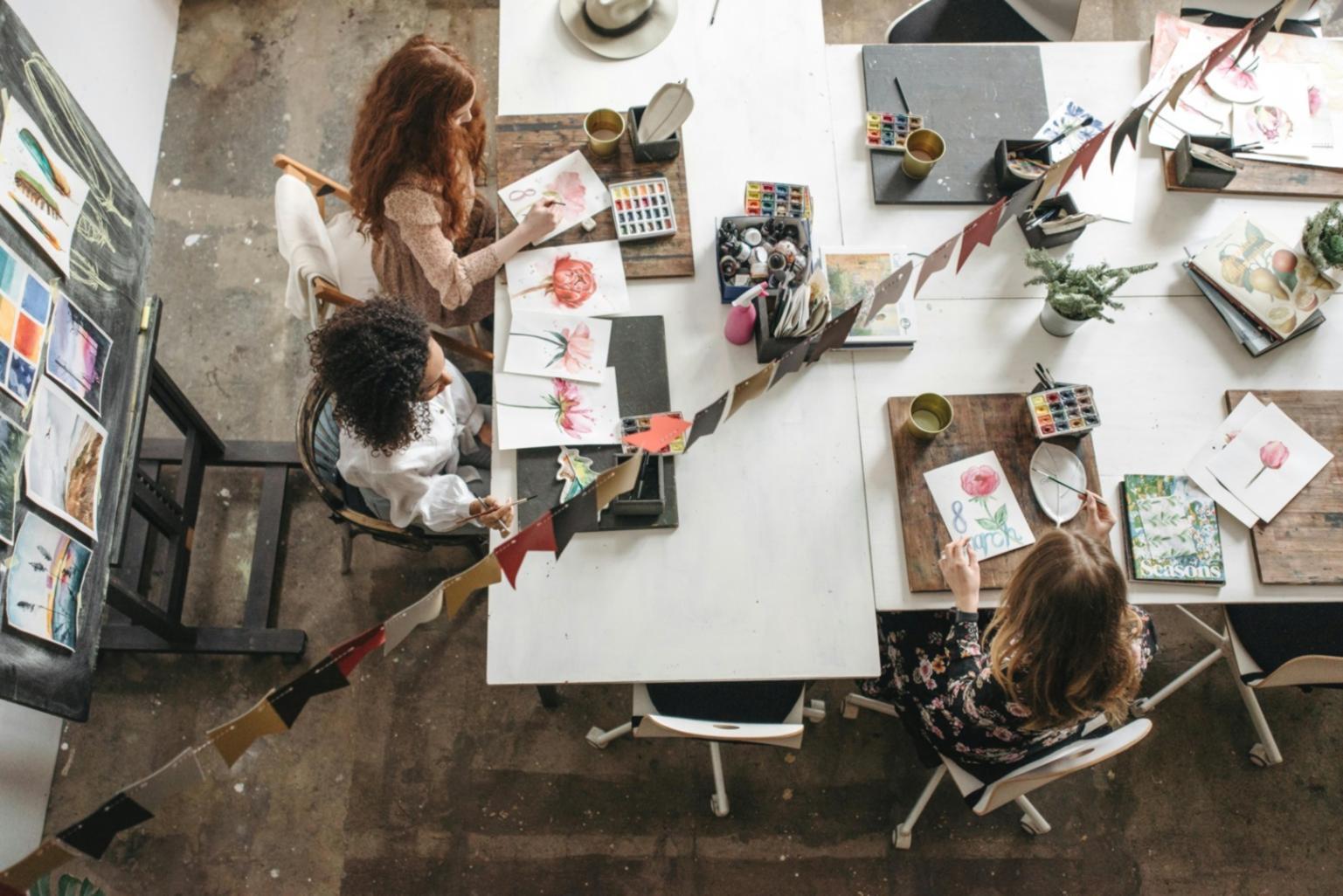
At the end of the program, students don't get a certificate to frame — they get a folder of work they can look back at. Portraits they drew themselves, from reference and from imagination, with visible improvement from week one to the last session.
The practical shift is specific: you stop guessing where features sit and start measuring by feel. You read a face differently — in three planes, not as a flat shape.
Proportional accuracy
You'll place features consistently — not perfectly, but reliably. The skull structure becomes familiar, not guessed.
Reading light and shadow
Tonal modeling across the face — how light wraps around the forehead, where shadow deepens under the jaw.
Expressive mark-making
Line quality that communicates — loose where it should be loose, considered where the face needs structure.
Who fits here
A honest picture of who this is for — and who it isn't
Some programs are designed to feel accessible to everyone. This one is designed to be honest about fit.
This works well if you —
- Can set aside around 3–4 hours a week between sessions for practice. Not mandatory, but the gap between students who do and don't is visible.
- Have tried drawing faces before and felt something was structurally wrong without knowing what.
- Learn better by doing than by watching — sessions involve drawing, not just observation.
- Are comfortable with feedback that is direct. Instructors mark what works and what doesn't, specifically.
- Are starting from anywhere — no prior formal training required, but some drawing experience helps.
This probably isn't the right fit if —
- You want to learn digitally — all sessions use traditional media: pencil, charcoal, occasionally ink.
- You're looking for a self-paced course with recorded content. Everything here is live.
- You need a fixed certificate at the end for academic or professional accreditation purposes.
- You expect fast visible results. The first month is mostly observation exercises and feels slow deliberately.
The real question
Most people pause at the same moment — and it's worth naming
The hesitation isn't usually about price or schedule. It's quieter: "I don't know if I have enough talent for this to be worth it."
That's a reasonable thing to feel. Portrait drawing looks like a skill that some people have and others don't. Watching someone draw a convincing face in 20 minutes makes it look native, not learned.
Most of what looks like talent is actually familiarity with a small set of structural decisions — decisions that can be taught. The first month makes that visible. Not because it becomes easy, but because you start seeing what was actually happening.
What if I haven't drawn anything in years?
The gap matters less than you think. Returning students often progress faster because they approach the work without the habits that newer learners are still forming.
Can I switch between group and private sessions?
Yes. Some students start in a group and move to private lessons once they've identified a specific weakness to work on. Others do both simultaneously. It depends on what you need.
How much does instructor availability vary?
Group sessions follow a fixed schedule. Private sessions are booked directly — availability is limited to around 6 slots per week per instructor, so there can be a short wait.
Do I need specific drawing supplies to start?
A basic pencil set and cartridge paper covers the first month. The recommended supply list is shared after enrollment — nothing unusual or expensive.
Is the progress visible after 4–6 weeks?
Usually, yes — but not always in the way students expect. The first visible shift is usually in how you look at faces, not yet in the drawings themselves.